Source Personalized Solid Pet Leash for Walking, Running, Training
Compare 30 personalized solid pet leash options from verified suppliers. Buyers can evaluate specifications, customization, and pricing for dog walking, running, and training needs. Explore various materials like nylon and PVC, different sizes, and custom logo services available for bulk orders.
Key considerations
Products List




Comprehensive Sourcing Guide
Personalized Solid Pet Leash Sourcing Guide
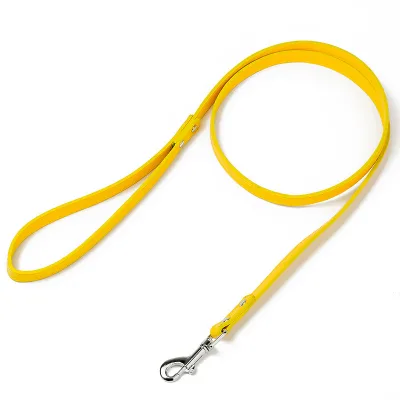
Sourcing personalized solid pet leashes requires a strategic balance between aesthetic customization and functional durability. Buyers must navigate a market where visual appeal, such as specific colorways like yellow or black, competes with the mechanical integrity of the attachment points. The term "solid" often implies a uniform material construction, typically nylon or PVC, which dictates the handling characteristics and longevity of the product. Procurement teams should prioritize suppliers who demonstrate consistent quality in stitching and hardware integration, as these are the primary failure points in daily use.
The customization landscape for these items is broad, ranging from simple logo embossing to full structural modifications. Suppliers frequently offer OEM services, allowing brands to imprint their identity directly onto the leash body or handle. This process involves verifying the feasibility of custom sizes and colors, as some manufacturers may have limitations on dye lots or material availability. Understanding the extent of customization available is crucial for maintaining brand consistency across a product line while ensuring that the personalized elements do not compromise the leash's structural strength.
Product Scope and Observed Listing Signals
The current market for personalized solid pet leashes exhibits a wide variance in pricing, ranging from $0.19 to $7.50 per unit. This disparity often reflects differences in material quality, hardware grade, and the complexity of the customization process. Lower price points may indicate basic nylon webbing with standard plastic buckles, while higher prices could suggest premium materials, reinforced stitching, or complex logo applications. Buyers should correlate price tiers with specific material specifications and hardware types to ensure they are comparing equivalent product qualities rather than disparate items.
Minimum Order Quantities (MOQs) for these products typically range from 1 to 2,000 pieces, offering flexibility for both small startups and large retailers. Some suppliers accept low MOQs for standard colors, while customized orders may require higher volumes to justify production setup costs. It is essential to clarify whether the MOQ applies to total units or per color/design combination. Understanding these thresholds helps in planning inventory levels and managing cash flow, especially when introducing new personalized designs to the market.
Technical Specifications to Verify
Material selection is a critical technical factor, with nylon and PVC being the most common options observed in listings. Nylon offers high tensile strength and durability, making it suitable for active dogs, while PVC provides water resistance and ease of cleaning. Buyers must verify the exact material composition and thickness, as these attributes directly impact the leash's weight and handling. For instance, observed weights range from 0.13kg to 0.3kg, indicating variations in density and construction that affect the user experience.
Dimensions and sizing are equally important, with standard lengths varying from 23cm to 140cm and widths often fixed at 2.5cm. Some products offer adjustable sizes, while others are fixed, requiring precise matching to the target pet size. Buyers should confirm the standard dimensions and whether custom sizing is accepted, as this affects the fit and control. Additionally, verifying the hardware specifications, such as the type of clip or buckle, ensures compatibility with standard collar rings and prevents accidental detachment during use.
Compliance and Safety Documentation
Certification status is a key indicator of manufacturing quality, with ISO certification being a common attribute among reputable suppliers. This certification suggests adherence to standardized management practices, which can correlate with consistent product quality and reliable production processes. Buyers should request proof of ISO certification and verify its validity, as it provides assurance that the supplier maintains controlled manufacturing environments. This is particularly important for personalized items, where custom processes must not introduce variability that compromises safety.
While specific safety standards like OEKO-TEX or REACH are mentioned in background contexts, buyers should explicitly confirm if these apply to their specific order. These standards relate to chemical safety and environmental impact, which are increasingly important to consumers. Verifying compliance with relevant regional regulations ensures that the leashes can be legally sold in target markets. Buyers should ask for test reports or certificates that specifically address the materials used, such as the absence of harmful substances in PVC or the durability of nylon fibers.
Cost Drivers and Commercial Terms
The cost of personalized pet leashes is influenced by several factors, including material costs, customization complexity, and packaging requirements. Custom logos and specific color requests may incur additional setup fees or higher per-unit costs due to the need for specialized printing or dyeing processes. Buyers should request a detailed breakdown of costs to understand how customization impacts the final price. This transparency helps in budgeting accurately and identifying potential areas for cost optimization without sacrificing quality.
Packaging and shipping terms also play a significant role in the total landed cost. Observed packaging methods include poly bags and cartons, with quantities per package varying from 10 to 150 pieces. Efficient packaging can reduce shipping costs and minimize damage during transit. Buyers should negotiate clear terms for packaging standards and shipping methods, ensuring that the products arrive in good condition. Additionally, understanding the sample lead time, which can range from 15 to 20 days, helps in planning product launches and managing customer expectations.
Supplier Qualification and Quality Control
Supplier qualification involves assessing their production capabilities and quality control processes. Buyers should verify the supplier's experience in manufacturing personalized pet products and their ability to handle custom orders consistently. Requesting samples is a crucial step to evaluate the quality of materials, stitching, and customization accuracy. Samples allow buyers to physically inspect the product and ensure it meets their brand's standards before committing to a larger order.
Quality control measures should be clearly defined and agreed upon before production begins. This includes specifying inspection criteria for defects, such as loose threads, misaligned logos, or faulty hardware. Buyers should inquire about the supplier's internal QC processes and whether third-party inspections are available. Establishing a clear quality agreement helps in maintaining consistency across batches and reduces the risk of receiving substandard products. Regular communication with the supplier during production can also help identify and address issues early.
Long-Term Procurement Checks
Long-term procurement success depends on establishing a reliable supply chain that can scale with business growth. Buyers should evaluate the supplier's capacity to handle increased order volumes and their ability to maintain quality under higher production loads. Building a strong relationship with the supplier can lead to better pricing, priority production, and improved support for future customizations. Regular performance reviews help in identifying any declines in quality or service that need to be addressed.
Market trends and consumer preferences in the pet accessories sector are constantly evolving. Buyers should stay informed about new materials, designs, and safety standards to keep their product offerings relevant. Periodically reassessing the supplier's compliance with new regulations and their innovation capabilities ensures that the supply chain remains competitive. By maintaining a proactive approach to supplier management, buyers can mitigate risks and capitalize on new opportunities in the personalized pet leash market.
FAQs
Can I customize the logo on the personalized solid pet leash?
Yes, customized logos are accepted for these pet leashes. The product page confirms that customization is available and explicitly states that a customized logo is permitted. Buyers can request specific branding to be applied to the yellow or black nylon or PVC materials, ensuring the final product aligns with their brand identity or specific design requirements.
What certifications do the pet leashes have?
The pet leashes are certified with ISO standards. This certification indicates that the manufacturing processes and quality management systems meet recognized international benchmarks. Buyers can rely on this documentation to ensure the products comply with general quality expectations, although specific environmental or safety standards like OEKO-TEX are not confirmed as high-confidence facts for every item.
What are the standard sizes for the dog leashes?
The leashes come in various sizes including XS, S, M, and L. Specific models feature lengths ranging from 23cm to 140cm with a width of 2.5cm. Some models are adjustable, while others are fixed at 4 or 6 feet. These dimensions cater to different dog breeds and usage scenarios, from small pets to larger dogs requiring longer leads.
What is the minimum order quantity for these leashes?
The minimum order quantity varies by product model. Some items have an MOQ of 200 pieces, while others may start at 1 piece. Buyers should check the specific model details, such as D21 or L2601, to determine the exact MOQ. This flexibility allows both small trial orders and larger bulk purchases depending on the supplier's specific requirements.
How long does it take to receive a sample?
Sample preparation typically takes 15 to 20 days. This lead time applies to the production of customized or standard samples before shipping. Buyers should account for this duration when planning their sourcing timeline. The actual delivery time will depend on the shipping method chosen and the destination, so early communication with the supplier is recommended.
What materials are used for the pet leashes?
The leashes are primarily made from durable materials such as nylon and PVC. These materials are selected for their strength and longevity, making them suitable for dog running and walking. The choice of material often depends on the specific model and design, with some leashes featuring colored options like red, blue, or green to suit different preferences.